When Is It Time for Mom or Dad to Stop Driving? A Family Guide
Driving means independence, and talking about giving up the keys is one of the hardest conversations a family can have. Here is how to spot the warning signs, understand New Mexico's rules for older drivers, and bring up the topic with respect instead of a fight.
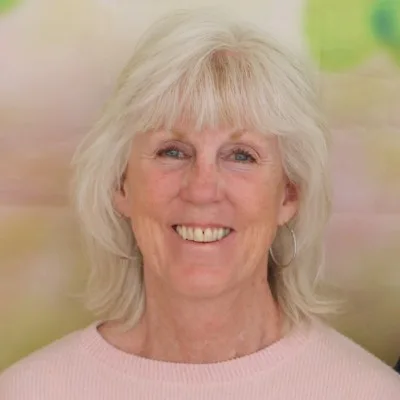
Penny Krautbauer
Transitions in Senior Care, Rio Rancho NM

For many older adults, driving is more than transportation; it is independence, identity, and a link to the life they know. That is why the moment a family starts to wonder whether Mom or Dad should still be behind the wheel can feel so loaded. It is also a genuine safety question, for your parent and for everyone on the road. This guide covers the warning signs that driving may no longer be safe, how New Mexico checks on older drivers, how to start the conversation without damaging your relationship, and the practical help and alternatives available right here in Albuquerque and Rio Rancho.
Why does talking about driving feel so hard?
Because for many older adults, the car is not just a way to get around; it is the thing that makes the rest of life possible. It is how they get to the grocery store, the doctor, church, and the homes of friends. For some, giving up driving feels like the beginning of giving up on independence altogether, and they may hear a conversation about the keys as a conversation about their whole future. Families often put it off for the same reason: they do not want to hurt someone they love or take away something that clearly matters to them. But the quiet truth is that an unsafe driver is a risk to your parent and to others, and a family that talks about driving with care, before a close call forces the issue, protects both the person and the relationship.
What are the warning signs that driving is getting unsafe?
Safety experts, including AARP and the National Institute on Aging, point to warning signs families can actually observe. They include fresh dents, scrapes, or damage on the car, the garage, or the mailbox; close calls or being honked at often; getting lost in familiar places; confusing the gas and brake pedals or having trouble moving the foot between them; slow reactions at intersections, on-ramps, or roundabouts; difficulty turning the head to check blind spots; not noticing other cars, horns, or sirens, which is often a hearing concern; drifting into other lanes or riding the center line; misjudging gaps when turning or merging; and a parent who seems easily distracted behind the wheel or who used to love driving but now avoids it, especially at night. Any single sign deserves attention, and several together are a clear signal that it is time to act, before a close call becomes an accident.
How does New Mexico check on older drivers?
New Mexico's Motor Vehicle Division ties license renewals to age. Drivers under 79 renew every four years, while drivers 79 and older must renew every year, and the state waives renewal fees for drivers 79 and older. Vision is reviewed at every renewal for drivers 75 and older, and drivers 79 and older who renew online must have an eye doctor submit their vision report electronically; the standard is 20/40 or better in at least one eye, with or without glasses. When a doctor or a family has real concerns, a physician can submit a Medical Report Form, known as MVD-10124, and New Mexico's Medical Advisory Board reviews whether a license should be approved, denied, or conditioned. That system matters, but it cannot see what happens between renewals, which is why the observations of the people who ride with Mom or Dad matter so much.
How do I talk to Mom or Dad about driving?
Start early and revisit the topic often, rather than waiting for an accident to force the conversation. Ground what you say in specific behaviors you have observed, not in age, so your parent hears a real concern rather than a judgment. Choose a private, relaxed moment and talk one-on-one, then involve the rest of the family so no one feels ganged up on. Frame it as protecting their safety and their independence, and come with solutions, not just a verdict: a ride schedule, family and neighbors who can help, public transit, and ride services. Many families find it easier to suggest a refresher first, like the AARP Smart Driver course, which builds confidence and can even earn an auto insurance discount. And when a parent pushes back, a professional driving assessment can help, because a neutral expert, rather than a worried son or daughter, makes the recommendation.
What local help is there in Albuquerque and Rio Rancho?
There is real, local help in our area. The AARP Smart Driver course is offered at the Meadowlark Senior Center in Rio Rancho at 4330 Meadowlark Ln SE, 505-891-5018, and in Albuquerque at the North Valley Senior Center at 3825 4th St NW, 505-761-4025, the Don Newton Taylor Ranch Community Center at 4900 Kachina St NW, 505-768-6006, and the Palo Duro Senior Center at 5221 Palo Duro Ave NE, 505-888-8102. It is open to adults 50 and older, typically runs about four hours, and costs around $15 for AARP members and $20 for non-members. For a full picture, Driving to Independence at 4263 Montgomery Blvd NE in Albuquerque, 855-449-3331, offers comprehensive driver evaluations with occupational therapists and Certified Driver Rehabilitation Specialists, combining clinical testing of vision, cognition, and physical function with a behind-the-wheel assessment, and Independent Living Therapy Services at 2727 San Pedro Rd NE, 505-433-2146, offers a similar occupational therapy option. A formal evaluation gives families an honest, professional answer they can trust.
What happens if your parent really should not drive anymore?
First, know that losing the car does not have to mean losing connection, and local transportation options are better than most families realize. The City of Albuquerque Department of Senior Affairs offers free curb-to-curb van transportation for adults 60 and older within Bernalillo County for medical appointments and errands, 505-764-6400. Rio Metro's demand response service provides weekday door-to-door rides for residents 60 and older in Rio Rancho and Corrales, including trips to Albuquerque for medical appointments, 505-404-2063. Sandoval County senior transportation, 505-934-8774, offers rides to senior centers and medical appointments for those 60 and older, and Rio Transit, 505-994-1608, serves Rio Rancho residents 55 and older. Seniors 60 and older also ride the Rail Runner Express free every Wednesday with a photo ID. When transportation becomes the thing that leaves a parent isolated, that is often the moment a senior living community becomes the right fit, because the community brings meals, activities, and neighbors within easy reach. My goal is to help your family find the right care, at the right time, for the right reasons, and to keep your parent safe, respected, and connected through every step.
A family checklist for the driving conversation
- Watch for the warning signs: new dents, close calls, getting lost, slow reactions, trouble turning the head, missed horns and sirens, and drifting between lanes.
- Know the New Mexico rules: annual renewal at 79 and older, vision checks at 75 and older, and renewal fees waived for drivers 79 and older.
- Have the conversation early and often, one-on-one, grounded in behaviors you have observed rather than in age.
- Bring solutions before you bring the topic: a ride schedule, family and neighbors who can help, and local transit options.
- Suggest an AARP Smart Driver course at a local senior center to refresh skills, build confidence, and earn an insurance discount.
- Consider a professional driving assessment with an occupational therapist so a neutral expert makes the recommendation.
- Involve your parent's doctor, who can submit the MVD-10124 form if medical concerns are real.
- Save the local ride numbers: Senior Affairs at 505-764-6400, Rio Metro at 505-404-2063, Sandoval County at 505-934-8774, and Rio Transit at 505-994-1608.
- Keep the real goal in view: your parent's safety, dignity, and connection, not the keys.
Giving up driving is one of the hardest transitions a family can walk through, but it is also a chance to make a plan that protects your parent and keeps them connected to the people and places they love. You do not have to figure this out alone, and you do not have to wait for a close call or a crisis to start. Call me before the crisis, or when the crisis happens, and I will help you figure out what comes next. Helping families navigate the journey to senior care with confidence and peace of mind is what I do, one family at a time.
Need help with your own situation?
Penny listens first, then helps you understand what comes next. No pressure, ever.