Caring for a Parent From Out of Town: A Long-Distance Family Guide
When you live far from Mom or Dad, worry travels with you. Here is how out-of-town families can stay genuinely involved, build a trusted local team, and find real help in Albuquerque and Rio Rancho, before a crisis forces a rushed decision.
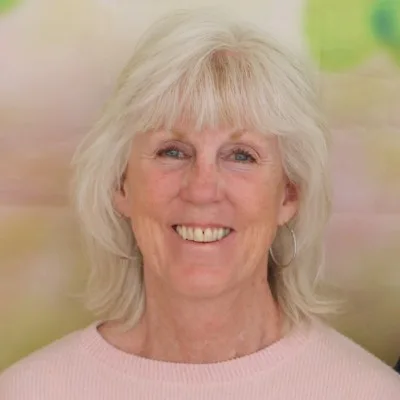
Penny Krautbauer
Transitions in Senior Care, Rio Rancho NM
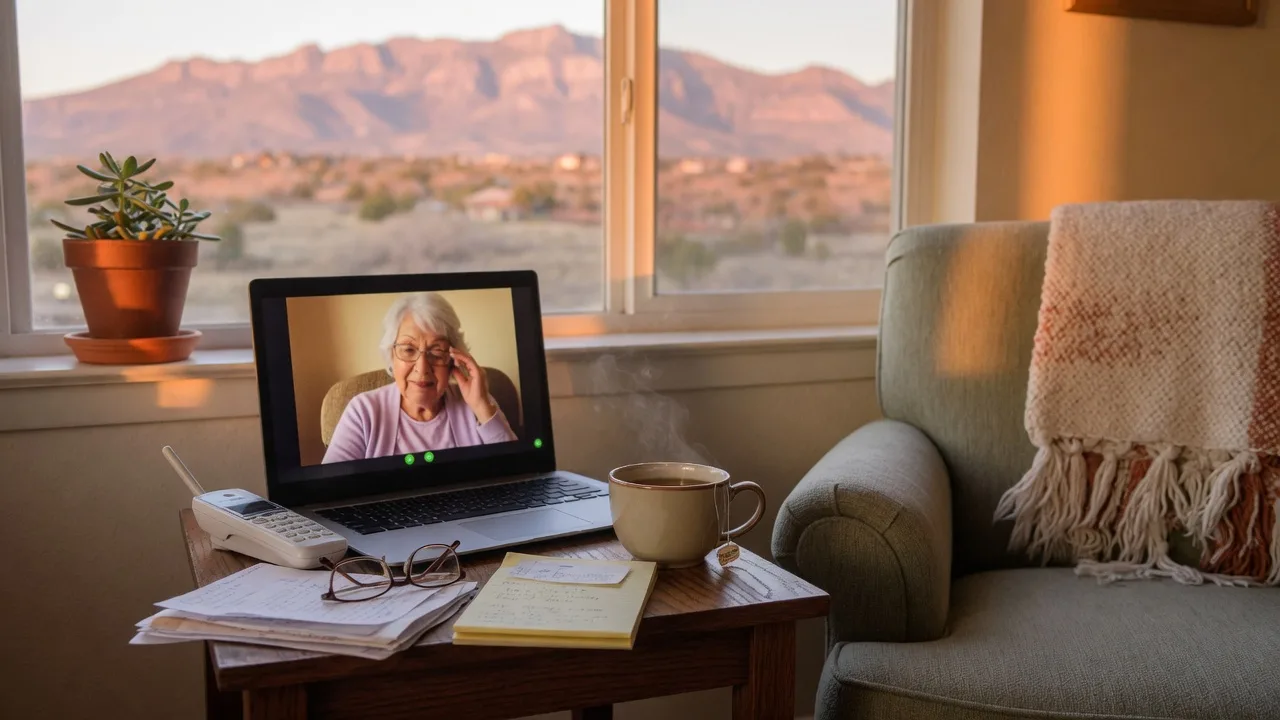
If you live in another city or state and your parent is growing older in Albuquerque or Rio Rancho, you already know the quiet ache of this situation: you worry from a distance, you visit when you can, and you wonder what you are missing between visits. The good news is that being far away does not mean being out of options. With a few practical tools, the right documents, and a local support team you trust, out-of-town families can stay genuinely involved and prepared. This guide covers what to set up, who to call in our area, and how to plan ahead so you are never making a rushed decision from an airport terminal or a single phone call.
Why does caring for a parent from out of town feel so hard?
Because you are trying to care for someone you love with less information than anyone else in the conversation. The sibling who lives nearby sees the unopened mail and the missed meals. You hear Mom on a good morning when she sounds like herself. Visits are precious and too short, and most of your time is spent in the everyday distraction of your own work, home, and family. Add guilt about not being closer, and it is easy to feel like a bad son or daughter even when you are doing your best. Here is the reassurance that matters: the families who stay most involved from a distance are not the ones who can teleport. They are the ones who build a small, reliable support system on the ground and a clear set of documents that let them act when it counts.
What documents should every out-of-town family have in place?
This is the single highest-leverage step you can take, and it is one families put off for years. A durable power of attorney for health care lets you talk with doctors and make care decisions when your parent cannot. A financial power of attorney lets you manage bills, insurance, and accounts. A HIPAA release allows the care team to share medical information with you, which is essential when you cannot sit in the room. And an advance directive puts your parent's own wishes in writing. Each of these must be valid in New Mexico, which is why it is worth having an elder law attorney in our state review them and make sure the people who need them have signed copies. Having these in place before a hospital stay or a fall is exactly the kind of planning ahead that keeps an out-of-town family from being locked out of their own parent's care at the moment they are needed most.
How do you keep an eye on things when you cannot be there?
The most effective tool is a network of trusted local eyes, not a surveillance system. Start with the people already in your parent's life: a nearby neighbor, a church friend, the pharmacist, the barber. Ask one neighbor to hold a spare key and check in weekly, and make sure your parent's doctor, pharmacy, and a nearby home care agency have your contact information. A few hours of in-home care a week, even just for companionship and a grocery run, gives you a professional who sees the home regularly and can tell you honestly how things are going. Some families work with a geriatric care manager, a private-pay professional who coordinates appointments, home care, and community resources for families who live far away. And a standing weekly video call, at the same day and time, gives both of you a rhythm that is far more reliable than a phone call caught on the go.
What local resources in Albuquerque and Rio Rancho help out-of-town families?
Our area has free, real help, and most of it is built exactly for situations like yours. The New Mexico Aging and Disability Resource Center, at 1-800-432-2080, is the state's free, unbiased first stop: its options counselors help with benefits, caregiving, and community resources, and they explicitly support long-distance caregivers who live more than a hundred miles from a loved one. The Family Caregiver Center of New Mexico, at 505-494-4021, offers free caregiver education and support groups, including online groups that families can join from anywhere, which is a lifeline for adult children who live out of state. The City of Albuquerque Department of Senior Affairs, at 505-764-6400, provides information, referral, and senior care coordination, and the City of Rio Rancho Division of Senior Services, at 505-891-5018, serves Sandoval County families with programs at the Meadowlark and Broadmoor senior centers. New Mexico's New MexiCare program even offers financial assistance and training to family caregivers. You do not have to find or manage all of this alone.
How can a senior care guide help when you live far away?
This is where a trusted local person becomes your most valuable asset. As a Certified Senior Transition Specialist in the Albuquerque and Rio Rancho area, I have personally visited the senior living communities and know the home care and community resources families rely on. When you live out of town, I can be the person on the ground: I listen to what your family needs, visit and compare communities for you, arrange tours when you can be there, and keep you informed with honest, clear updates, so you are not comparing communities by memory and a stack of brochures from five hundred miles away. My goal is to help your family find the right care, at the right time, for the right reasons, and to help you stay part of every decision no matter where you live. You get someone local you can trust, and that is exactly what out-of-town families need most.
How do you make a visit count?
When you do travel to Albuquerque or Rio Rancho, plan the visit around a purpose, not just a reunion. Spend the first day simply being present and observing: the state of the fridge, the pile of bills, the way your parent moves from room to room. Use the visit to get the documents signed and notarized if they are not already, to meet your parent's doctor and introduce yourself to the care team, and to check in with the neighbors and the home care aide. If you have been wondering about senior living communities, tour one or two while you are here, with your parent, and ask the questions that matter. And find a quiet moment to have the honest conversation about what your parent wants, before a fall or a hospital stay makes the decision for you. One purposeful visit can do more than a year of anxious phone calls.
A long-distance caregiving checklist for your family
- Put the documents in place: health care power of attorney, financial power of attorney, a HIPAA release, and advance directives, reviewed by a New Mexico attorney.
- Build a trusted contact list: doctors, pharmacy, neighbors, home care agency, and the local senior care resources.
- Call the Aging and Disability Resource Center at 1-800-432-2080 for free options counseling that supports long-distance caregivers.
- Set up a standing weekly video call and a shared emergency contact plan.
- Consider a few hours of in-home care a week, or a geriatric care manager, as professional eyes on the ground.
- Join a free online support group through the Family Caregiver Center of New Mexico at 505-494-4021.
- Plan each visit with a purpose: observe, sign documents, meet the doctor, and tour a community together.
- Have the honest conversation about what your parent wants before a crisis forces the decision.
- Ask a trusted local senior care guide to visit and compare communities for you between visits.
Being far from Mom or Dad is hard, but it does not have to mean being out of the loop. With the right documents, a trusted local team, and honest, local guidance, out-of-town families can stay genuinely present in their loved one's care. You do not have to figure this out alone, and you do not have to wait for a crisis to start. Call me before the crisis, or when the crisis happens, and I will help you figure out what comes next. Helping families navigate the journey to senior care with confidence and peace of mind is what I do, one family at a time.
Need help with your own situation?
Penny listens first, then helps you understand what comes next. No pressure, ever.