Is It Safe for Mom or Dad with Memory Loss to Live Alone?
Wandering, missed medications, and a stove left on are real risks for a senior with memory loss living alone. Here are the signs that home is no longer safe, how to make a home safer while you plan, and the local Albuquerque and Rio Rancho help, from the Alzheimer's Association New Mexico Chapter to New Mexico's Silver Alert.
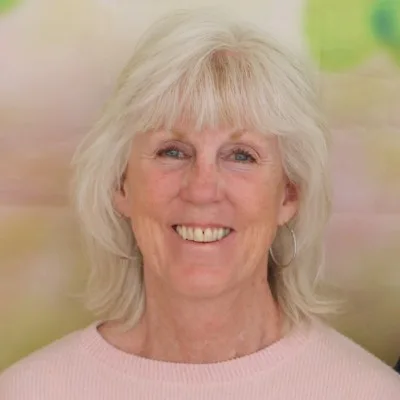
Penny Krautbauer
Transitions in Senior Care, Rio Rancho NM
One of the hardest questions a family faces is whether a parent with memory loss can still live alone, and the honest answer is that it depends on how the memory loss is affecting everyday safety, which changes over time. About one in four older Americans living with dementia or mild cognitive impairment lives alone, and many manage for a while. But memory loss changes what is safe: a stove left on, a door left unlocked, a walk that ends in confusion. This guide covers the real risks, the signs that it may be time for more support, how to make a home safer while your family plans, and the local Albuquerque and Rio Rancho resources that help families decide with confidence instead of in a crisis.
What are the real risks when a senior with memory loss lives alone?
The risks are not about anyone falling short; they are about the way memory loss changes everyday tasks. Wandering is the most feared, because a person living with dementia may walk out the door, get turned around, and be unable to find the way back. Falls are common too, since memory loss often arrives with changes in balance, vision, and judgment about clutter, rugs, and stairs. Fire and burn injuries happen when a stove or oven is left on, and water is left running. Medications become genuinely dangerous when doses are forgotten or taken twice, and meals and fluids get skipped, which leads to dehydration, weakness, and more confusion. Add a locked door that leaves a senior unable to respond in an emergency, and the quiet picture becomes clear: living alone with memory loss is not impossible, but it requires a level of reliability that memory loss erodes over time.
How common is wandering, and why is it so dangerous?
Wandering is far more common than families expect. The Alzheimer's Association reports that six in ten people living with dementia will wander at least once, and many wander repeatedly, at any stage of the disease. The danger is real: if a person who wanders is not found within 24 hours, up to half will experience serious injury or death, and many people who wander are found within a mile and a half of where they were last seen. That is why the minutes matter, and why New Mexico has a Silver Alert system that can broadcast a missing senior's photo to media and to cell phones statewide. It is also why a parent with memory loss should never be alone in a home where they can walk out the door and not be missed for hours. If you are worried about wandering, take the concern seriously; it is one of the clearest signs that living alone may no longer be safe.
What signs mean it may no longer be safe to live alone?
A few warning signs together are a clear signal. Watch for missed or doubled medications, food left to spoil or meals skipped entirely, scorch marks on pots, a stove or iron left on, water running, unpaid bills piling up, and clothing worn in the wrong season. The biggest sign is wandering: a parent who leaves the house at odd hours, gets lost on a familiar walk, or cannot say how they got home. Confusion about the time of day, difficulty recognizing a familiar neighbor, or a phone call late at night asking where they are all point to a level of need that one person alone cannot safely cover. And there is the quieter sign: a parent who used to call regularly and now seems withdrawn or anxious, sometimes because they are hiding how much they are struggling. None of these are a judgment on you; they simply mean the situation has changed, and it is time to plan for a safer level of support.
How can families make a home safer while they still have time?
Planning ahead gives your family room to make the home safer and to make a calm decision. Start with the stove: install stove knob covers or an automatic shut-off device, and consider unplugging small appliances when they are not in use. Add smoke and carbon monoxide detectors with fresh batteries and test them together. Set up a medication system that a pharmacist or a family member fills, never one managed from memory. Remove or lock away hazards: alcohol, cleaning supplies, tools, and anything that could be mistaken or misused. Consider a monitored door alarm or a smart lock so the family knows when the front door opens. Create a routine of check-ins: a neighbor who waves at the window, a daily phone call at a set time, and a list of trusted contacts on the fridge. These measures buy time and peace of mind, but the day may still come when more help is needed.
What local help is available in Albuquerque and Rio Rancho?
Our area has real, free help. The Alzheimer's Association New Mexico Chapter, at 6731 Academy Rd NE in Albuquerque, 505-266-4473, offers a 24/7 Helpline at 1-800-272-3900, free care consultations, education programs, and support groups, including groups right here in Rio Rancho at the Loma Colorado Library and the Esther Bone Memorial Library, plus groups at the chapter office in Albuquerque; call the helpline to confirm the current schedule. If a loved one with memory loss goes missing, call 911 and report it to local law enforcement immediately, then ask about New Mexico's Silver Alert, which the state can broadcast to media and to cell phones statewide through the Wireless Emergency Alert system. The New Mexico Aging and Disability Resource Center at 1-800-432-2080 offers free, unbiased options counseling for families weighing care choices. And as a Certified Senior Transition Specialist who knows the local communities, I help families tour memory care and assisted living options, understand the differences, and find the right fit before a crisis makes the decision for them.
When is it time to consider assisted living or memory care?
There comes a point when the kindest choice is a higher level of support. If your parent cannot be left alone safely for even a few hours, if wandering has become a real risk, if meals and medications are being missed, or if you are checking the door camera more than you are sleeping, that is not a reason for guilt; it is a reason to plan. Assisted living provides meals, medication management, and staff who notice when something is off. Memory care communities are designed specifically for people living with dementia: secure environments, staff trained in memory support, and programming that helps each resident keep a meaningful daily rhythm. Many Albuquerque and Rio Rancho families find that a parent who was anxious and isolated at home begins to relax once the weight of staying safe alone is lifted. This is exactly what I help families do: understand the options, tour communities, and find the right fit, at the right time, for the right reasons.
Signs it may be time to talk with your family about a change
- Wandering, getting lost on a familiar walk, or leaving the house at odd hours.
- A stove or iron left on, scorch marks, or water left running.
- Missed, doubled, or confused medications.
- Skipped meals, spoiled food, or noticeable weight changes.
- Unpaid bills, missed appointments, or confusion about the day or time.
- Falls, near falls, or a growing fear of falling.
- A parent who withdraws, hides struggles, or calls at odd hours.
- Caregivers who are exhausted or watching the door camera all night.
- If a loved one goes missing, call 911 and local police immediately, and ask about New Mexico's Silver Alert.
This may be one of the most difficult conversations your family will ever have, and you do not have to have it alone. You do not have to wait for a crisis to understand your options. Call me before the crisis, or when the crisis happens, and I will help you figure out what comes next. Helping families navigate the journey to senior care with confidence and peace of mind is what I do, one family at a time.
Need help with your own situation?
Penny listens first, then helps you understand what comes next. No pressure, ever.