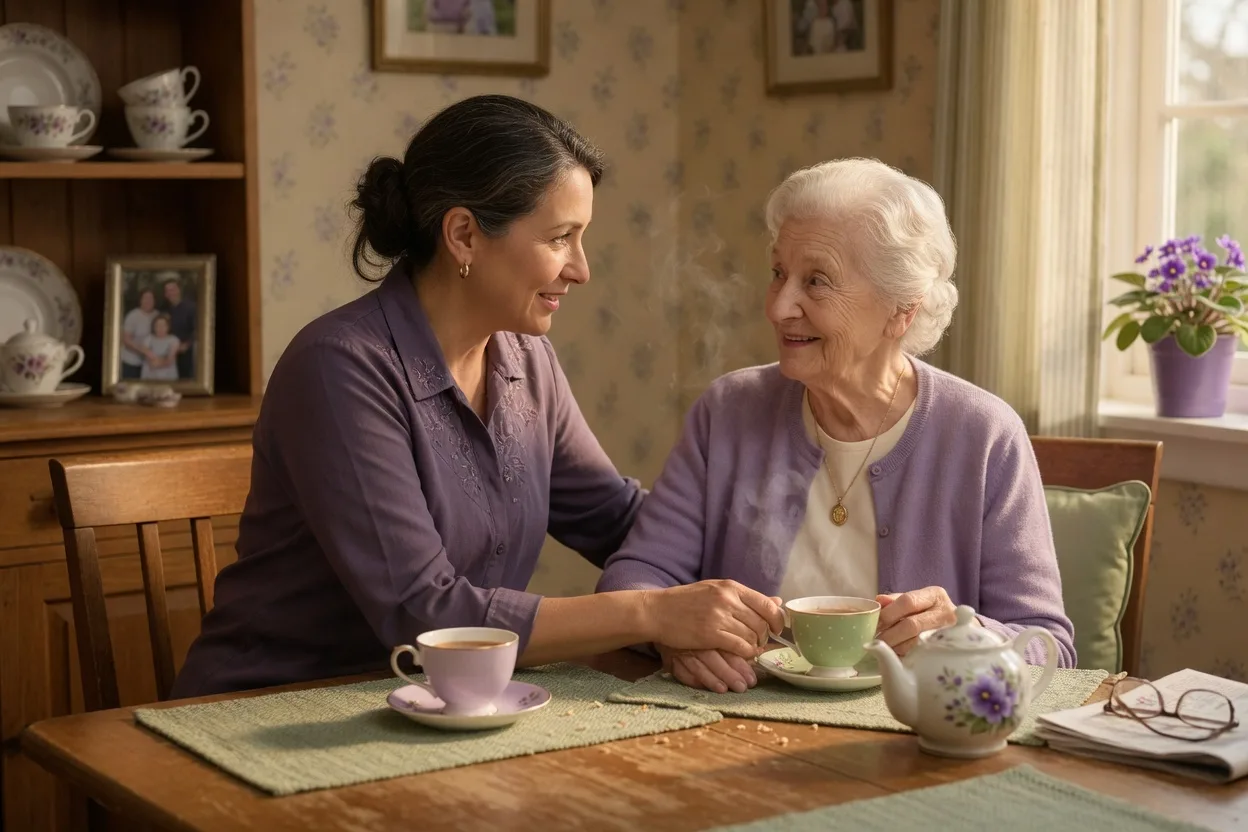
Your Fall Senior Care Checklist for Albuquerque and Rio Rancho
Shorter days, colder mornings, and the holidays ahead. Fall is the season when changes become harder to miss. Here is a practical checklist for helping your parent prepare for a safe, connected season.
Penny Krautbauer
Transitions in Senior Care, Rio Rancho NM
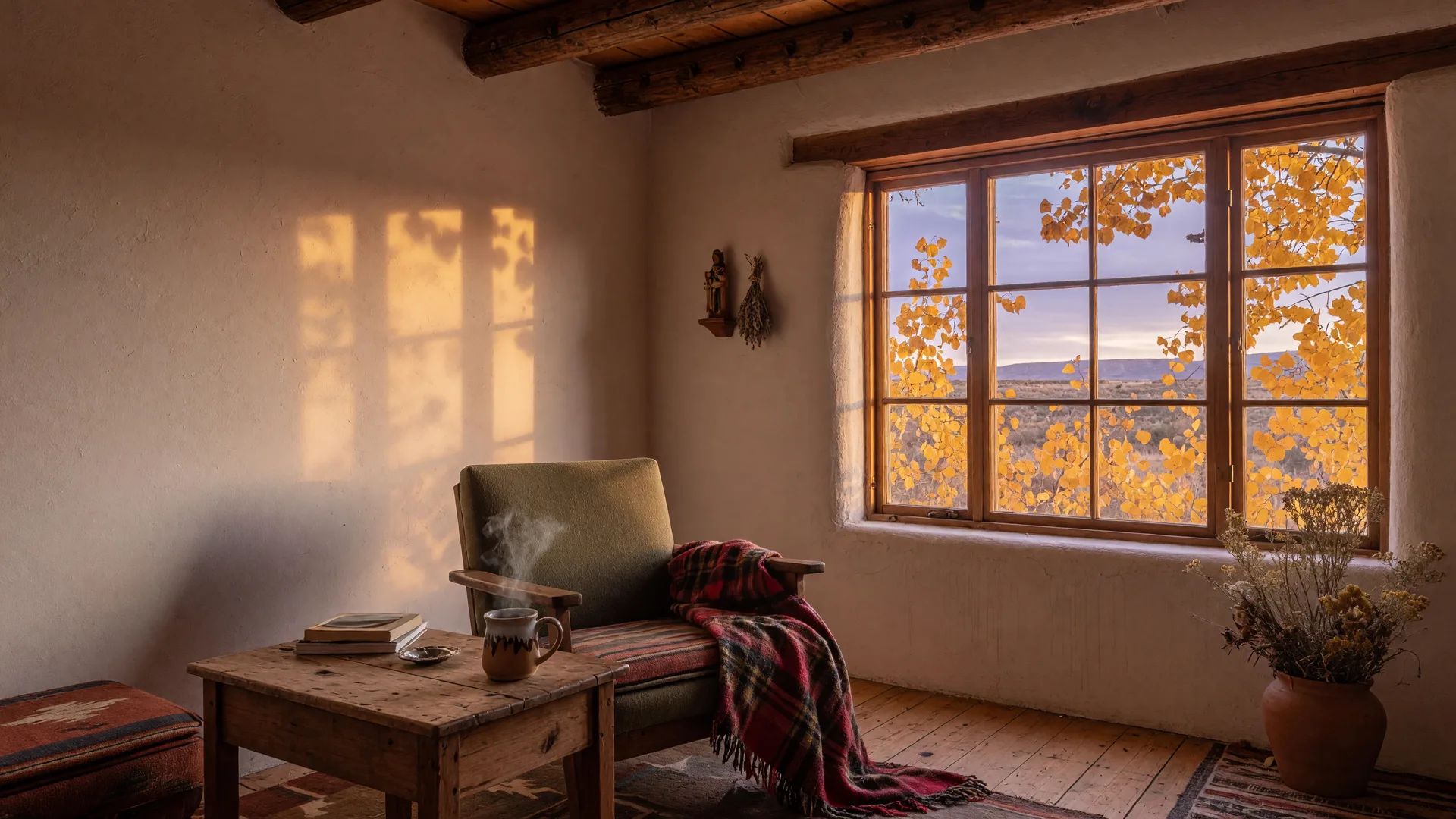
Fall in New Mexico brings golden cottonwoods, crisp mornings, and shorter days, and for families it is also the season when changes become harder to miss. With the holidays ahead and the coldest months coming, September and October are the ideal time to take stock of how your parent is doing at home and plan for a safe, connected season. This checklist walks through the practical steps, from lighting and heating to vaccines and energy assistance, with the local resources Albuquerque and Rio Rancho families can actually use.
Why is fall a natural time to check in?
Summer visits are often months behind you, and the holidays are still weeks away. That quiet stretch of autumn is one of the calmest windows a family gets to notice how Mom or Dad is really doing. It is also the season when an out-of-town visit becomes a chance to see the home through fresh eyes: Is the refrigerator stocked? Are the bills paid? Is the house colder than it used to be? Checking in now, without the pressure of a holiday deadline, is the best way to plan ahead while a decision still feels optional.
How do shorter days affect safety at home?
As the light fades earlier, everyday tasks get harder: getting to the mailbox, walking to the car, moving from the bedroom to the bathroom at night. Falls remain one of the most common reasons a family suddenly has to arrange care, and darkness makes that risk worse. Simple fixes go a long way. Add nightlights along the path from bed to bathroom, keep a lamp within reach of the favorite chair, clear leaves and debris from walkways and steps, and make sure handrails are secure and well lit. When clocks fall back on November 1, 2026, use the time change as a reminder to test smoke detectors and carbon monoxide detectors and replace the batteries.
What should families do before the first freeze?
New Mexico mornings turn cold quickly, often before families feel ready. Heating safety deserves attention before the first freeze, not after. Keep space heaters at least three feet from anything that can burn, choose models with automatic tip-over shutoff, and plug them directly into a wall outlet, never an extension cord or power strip. Have the furnace and gas appliances serviced by a qualified technician before the season, and never use a gas stove or oven to heat a home. Keep indoor temperatures at 65 degrees or warmer, because older bodies regulate heat less efficiently, and install carbon monoxide detectors on every level if you have not already. Albuquerque Fire Rescue's seasonal safety guidance is a helpful place to start.
Is there help with heating costs this winter?
Yes, and October is the month to act. New Mexico's Low Income Home Energy Assistance Program, LIHEAP, opens its heating assistance on October 1 each year, and it is first-come, first-served until funds run out. Adults 60 and older are a priority group, so an aging parent is exactly who this program is designed to help. The benefit is usually paid once per year directly to the utility or fuel provider, and winter crisis assistance can cover urgent situations like a furnace that stops working. Apply early through the YesNM online portal, by phone at 800-283-4465, or in person at an Income Support Division office. Families who do not qualify for LIHEAP can still ask their utility company about payment plans and senior discounts.
Why should vaccines happen before the holidays?
Flu season in New Mexico typically builds through late fall and peaks in the winter months, most often from December into February, and RSV and COVID circulate alongside it. That timing is exactly why September and October are the sweet spot for autumn vaccines, so protection is strongest when families gather at Thanksgiving and Christmas. The City of Albuquerque Department of Senior Affairs has hosted free flu and COVID clinics each fall at its senior and multigenerational centers, often with no appointment or insurance required. Pharmacies across Albuquerque and Rio Rancho also offer flu, COVID, and RSV vaccines, with RSV recommended for many adults 60 and older. Ask your parent's doctor which combination makes sense for them.
How can a holiday visit be a gentle check-in?
When out-of-town children come home for the holidays, they often notice what daily phone calls hide: unopened mail, a fridge full of expired food, a parent who skips meals because cooking is exhausting, or confusion about medication. Use the visit to observe kindly and to listen, not to interrogate. Ask about their worries and wishes, share what you notice without blame, and let the conversation be a beginning rather than a verdict. Many families find that a holiday visit is the moment they finally call: not because anything is broken, but because they now have a clear picture. That is a perfectly good reason to reach out, and it is far better than waiting for a fall or a hospital stay to make the decision for you.
A fall checklist for your parent's home
- Test smoke and carbon monoxide detectors at the time change on November 1, and replace the batteries.
- Have the furnace and gas appliances serviced before the first freeze.
- Keep space heaters three feet from anything that can burn, and plug them into wall outlets only.
- Add nightlights from the bedroom to the bathroom, and keep walkways and steps clear and well lit.
- Apply early for LIHEAP heating assistance when it opens October 1.
- Schedule flu and COVID vaccines in September or October, before holiday gatherings.
- Use a holiday visit to watch, listen, and start the conversation gently.
September is the month to plan, while the holidays are still weeks away. A few small steps now can give your parent a safer season and your family a calmer one, and that is exactly what planning ahead is for. Call me before the crisis, or when the crisis happens, and together we will figure out what comes next. Helping families navigate the journey to senior care with confidence and peace of mind is what I do, one family at a time.
Need help with your own situation?
Penny listens first, then helps you understand what comes next. No pressure, ever.