How to Keep Mom or Dad Safe Through a New Mexico Winter
New Mexico winters bring sunny days, freezing nights, and icy patches that catch families by surprise. Here is how to keep an older parent warm, steady on their feet, and connected through the coldest months, with real local resources.
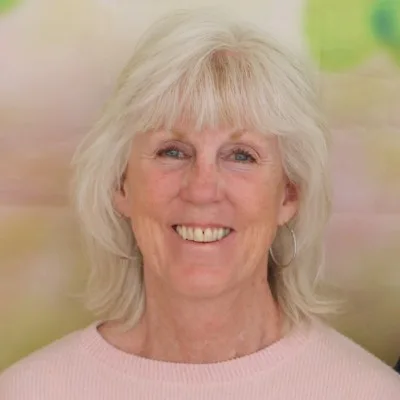
Penny Krautbauer
Transitions in Senior Care, Rio Rancho NM
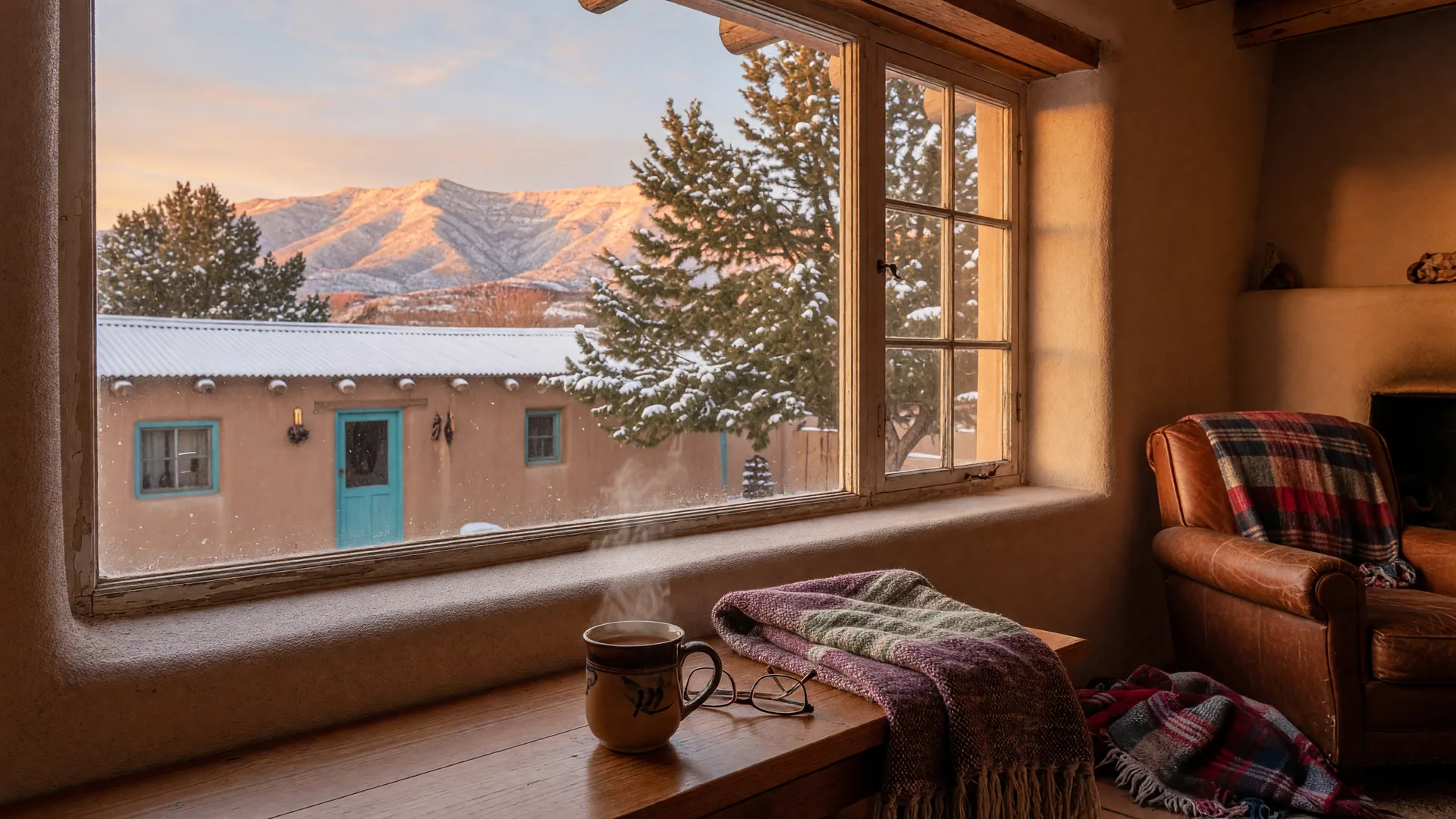
New Mexico winters are beautiful and deceptively tricky. The days can be sunny and mild while the nights drop below freezing, and a light dusting of snow can turn a familiar walkway into an icy hazard. For families helping an aging parent, the coldest months deserve a plan, not just a hope that everything will be fine. This guide covers what cold weather does to an older body, how to prevent falls on ice and snow, when driving is no longer safe, and the local Albuquerque and Rio Rancho resources that keep seniors warm, mobile, and connected all winter long.
Why do New Mexico winters deserve a plan?
Because the weather is milder than most families expect, and that is exactly why it catches them off guard. Albuquerque and Rio Rancho sit in the high desert, where winter days are often sunny and bright but nights drop to freezing. Albuquerque's average winter highs run from the mid-40s to near 50 degrees, with overnight lows in the mid-20s to low 30s, and the coldest January mornings can sit near 24 degrees. Snowfall is light, usually nine to eleven inches a year, but it often melts by day and refreezes at night, which is how the ice forms. That freeze-thaw cycle, a sunny afternoon followed by a freezing evening, is what makes walkways, driveways, and steps dangerous. Planning for winter in October, before the first hard freeze, is exactly the kind of planning ahead that keeps a family calm instead of scrambling.
What does cold weather do to an older body?
Older bodies lose heat faster than younger ones, and the drop can happen quietly. Hypothermia, a core body temperature at or below 95 degrees, is a real risk even indoors: the National Institute on Aging recommends keeping the home at 68 degrees or warmer, because a house at 60 to 65 degrees can be enough to trigger hypothermia in an older adult. The warning signs are shivering, exhaustion, confusion, fumbling hands, slurred speech, drowsiness, and very low energy. If you suspect hypothermia, call 911, move your loved one somewhere warm, wrap them in dry blankets, and offer a warm, non-alcoholic drink. Cold weather also strains the heart, which is why shoveling snow is risky for anyone with heart concerns, and it is the season when flu, RSV, and COVID circulate most. A check-in with the doctor about vaccines and any heart or circulation conditions is a good idea before the coldest weeks arrive.
How do you prevent falls on ice and snow?
Falls are the leading cause of injury among older adults, and ice makes the risk sharper. The freeze-thaw cycle in Albuquerque and Rio Rancho means a sunny morning can hide a sheet of ice in the shade. Clear walkways, steps, and driveways early in the day, and spread sand or ice melt before the evening freeze. Choose boots with real tread, not smooth soles, and make sure indoor slippers have non-slip grips, because many falls happen in the first steps from the bed to the bathroom at night. Keep outdoor paths well lit, add a handrail where one is missing, and consider an ice tip for a cane or walker. And on icy mornings, it is okay to stay in. A missed errand is far easier to manage than a fracture.
How should an older adult dress and prepare to go out?
The rule for cold weather is layers: several loose layers trap warmth better than one heavy coat. Add a hat, a scarf, mittens rather than gloves, and a water-resistant coat and boots when heading outside. Remove wet clothing right away, because damp clothes speed heat loss. Check the forecast before going out, limit time outdoors on windy or freezing days, and let someone know the plan and the route. A cell phone charged and within reach, plus a plan for what to do if the car will not start or the walk is longer than expected, turns a small outing into a safe one. These are small habits, and together they make a real difference for peace of mind.
Is it still safe for Mom or Dad to drive in winter?
The National Institute on Aging's guidance for older drivers is simple: when in doubt, don't go out. Winter driving asks more of everyone, and it asks more of an older driver whose reaction time, vision, or comfort behind the wheel has changed. Before the season, winterize the car: check the battery, tires and pressure, wipers, antifreeze, brakes, and the heater and defroster, and keep the gas tank at least half full. On snow or ice, or when visibility is poor, it is safer to stay home or use another ride. The quieter signs that driving is getting harder include new dents and scratches, close calls, avoiding certain roads or times of day, trouble driving at night, or a parent who now refuses to drive in any bad weather. If you notice these, have the conversation gently, and lead with care rather than criticism.
What local transportation options are there in Albuquerque and Rio Rancho?
If driving becomes risky, families in our area have real alternatives, and many are free. The City of Albuquerque Department of Senior Affairs offers free, curb-to-curb van transportation for adults 60 and older within Bernalillo County, for medical appointments and errands; call 505-764-6400 to schedule. In Rio Rancho and Corrales, Rio Metro's demand response service provides weekday door-to-door rides for residents 60 and older, including trips to Albuquerque for medical appointments; call 505-404-2063. Sandoval County senior transportation, at 505-934-8774, offers rides to senior centers and medical appointments for those 60 and older, and Rio Transit, at 505-994-1608, serves Rio Rancho residents 55 and older and disabled adults 18 and older. And every Wednesday, seniors 60 and older ride the Rail Runner Express free with a photo ID. Knowing these options before they are needed is planning ahead at its best.
How do families stay connected through the shorter, colder days?
Winter can be isolating, and isolation is a health concern of its own. Shorter days mean less sunlight, which can pull anyone's mood down, and cold weather makes it harder to get out and see people. The senior and multigenerational centers in Albuquerque, and the Meadowlark and Broadmoor senior centers in Rio Rancho, offer meals, activities, and company through the winter. Adult day services can give an older adult a warm, supervised place to spend the day and give a family caregiver a real break. And for families, a few simple habits go a long way: a scheduled call at the same time each day, a neighbor who checks in, a meal delivered on cold days, and a plan for what to do if the power or heat goes out. Connection is part of winter safety, not a luxury.
A New Mexico winter checklist for your family
- Keep the home at 68 degrees or warmer, and know the warning signs of hypothermia: shivering, confusion, slurred speech, drowsiness, and very low energy.
- Have the furnace serviced before the first freeze, and test smoke and carbon monoxide detectors.
- Clear walkways and steps early, spread sand or ice melt before the evening freeze, and keep outdoor paths well lit.
- Choose boots with real tread and non-slip indoor slippers, and add an ice tip to a cane or walker.
- Dress in layers with a hat, scarf, mittens, and a water-resistant coat and boots, and remove wet clothing right away.
- Winterize the car: battery, tires, wipers, antifreeze, brakes, and the heater and defroster, and keep the gas tank at least half full.
- When in doubt, don't go out: on ice or snow, it is safer to stay home or take a ride.
- Save the local ride numbers: Albuquerque Senior Affairs at 505-764-6400, Rio Metro at 505-404-2063, Sandoval County at 505-934-8774, and Rio Transit at 505-994-1608.
- Schedule a daily check-in call, and know what to do if the power or heat goes out.
Winter in New Mexico is beautiful, and with a little planning it can be safe and connected too. You do not have to figure this out alone, and you do not have to wait for a fall or a cold-weather scare to start. Call me before the crisis, or when the crisis happens, and I will help you figure out what comes next. Helping families navigate the journey to senior care with confidence and peace of mind is what I do, one family at a time.
Need help with your own situation?
Penny listens first, then helps you understand what comes next. No pressure, ever.